Transforming Drug Discovery, Research, and Patient Care
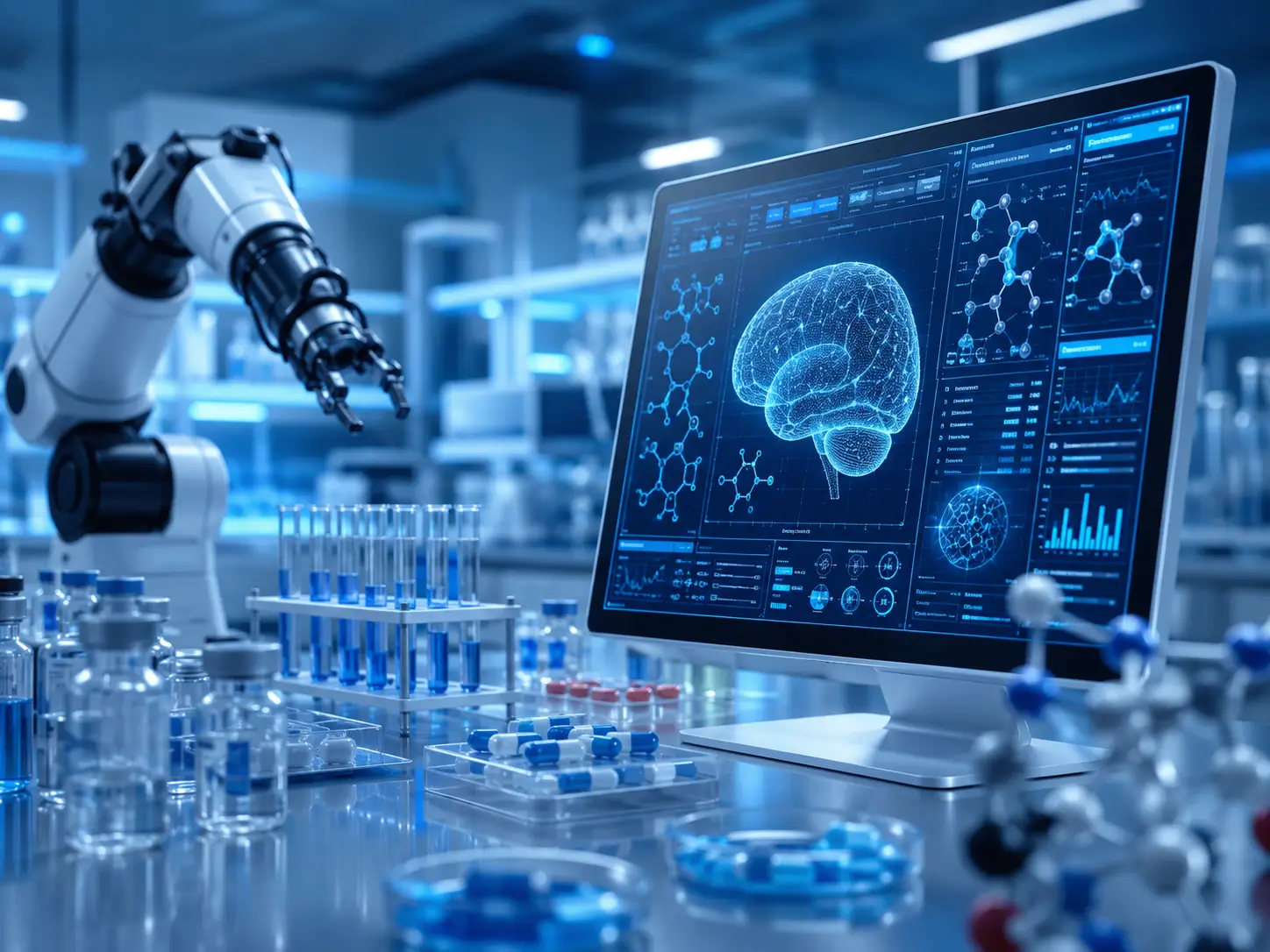
Artificial Intelligence (AI) is rapidly becoming one of the most influential technologies in the pharmaceutical industry. By combining advanced data analytics, machine learning, and automation, AI is helping pharmaceutical companies accelerate innovation, improve operational efficiency, and enhance patient outcomes.
Traditionally, drug discovery and development have been time-consuming and resource-intensive processes. Today, AI-powered technologies are transforming these activities by enabling researchers to analyze vast amounts of scientific data, identify promising drug candidates, and optimize development strategies more efficiently than ever before.
Accelerating Drug Discovery
One of the most significant applications of AI in pharmaceuticals is drug discovery. AI algorithms can process millions of biological and chemical data points to identify potential compounds that may have therapeutic benefits.
This capability helps researchers:
- Reduce drug discovery timelines
- Improve candidate selection accuracy
- Identify novel treatment opportunities
- Lower research and development costs
- Increase the likelihood of successful outcomes
As a result, pharmaceutical companies can bring innovative therapies to market faster while maintaining scientific rigor and quality standards.
Enhancing Clinical Trials
Clinical trials are essential for evaluating the safety and effectiveness of new medicines. AI technologies are helping improve clinical trial efficiency through advanced patient identification, predictive analytics, and real-time data monitoring.
Benefits include:
Faster Patient Recruitment
AI can analyze healthcare data to identify suitable participants more efficiently.
Improved Trial Design
Machine learning models help researchers optimize trial protocols and study parameters.
Better Data Analysis
AI tools can quickly detect patterns and trends within large clinical datasets.
Reduced Operational Costs
Automation streamlines administrative processes and improves resource utilization.
These advancements contribute to faster and more effective clinical development programs.
Improving Manufacturing & Quality Control
AI is also playing an increasingly important role in pharmaceutical manufacturing. Smart systems can monitor production processes in real time, identify potential issues, and support quality assurance activities.
Applications include:
- Predictive maintenance of manufacturing equipment
- Automated quality inspections
- Process optimization
- Production forecasting
- Supply chain monitoring
By leveraging AI technologies, manufacturers can improve consistency, reduce waste, and strengthen product quality.
Personalized Medicine & Precision Healthcare
Healthcare is moving toward more personalized treatment approaches, and AI is helping make this vision a reality.
By analyzing genetic information, patient histories, and treatment outcomes, AI can support healthcare professionals in developing more individualized therapies that may improve effectiveness and reduce adverse effects.
Personalized medicine has shown particular promise in areas such as:
- Oncology
- Neurology
- Rare diseases
- Chronic disease management
- Precision therapeutics
As technology continues to evolve, AI-driven healthcare solutions are expected to become increasingly sophisticated and impactful.
Strengthening Pharmaceutical Supply Chains
Modern pharmaceutical supply chains are complex and require careful coordination. AI-powered systems help organizations improve visibility, forecasting, and operational efficiency throughout the supply chain.
AI can assist with:
- Demand forecasting
- Inventory optimization
- Risk management
- Distribution planning
- Supply chain resilience
These capabilities help ensure that essential medicines reach healthcare providers and patients more efficiently.
Challenges & Considerations
While AI offers significant opportunities, successful implementation requires careful planning and responsible governance.
Key considerations include:
Data Privacy & Security
Protecting sensitive healthcare and patient information.
Regulatory Compliance
Ensuring AI-driven processes align with applicable regulations and standards.
Data Quality
Maintaining accurate and reliable datasets for meaningful insights.
Ethical Use of AI
Promoting transparency, fairness, and accountability in decision-making.
Addressing these challenges is essential to maximizing the benefits of AI while maintaining trust and compliance.
The Future of AI in Pharmaceuticals
Artificial Intelligence is expected to continue reshaping the pharmaceutical industry in the coming years. From accelerating research and development to supporting precision medicine and improving manufacturing efficiency, AI offers tremendous potential to advance healthcare innovation.
As pharmaceutical companies continue investing in digital transformation, AI will play an increasingly important role in delivering safer, more effective, and more accessible healthcare solutions for patients worldwide.