
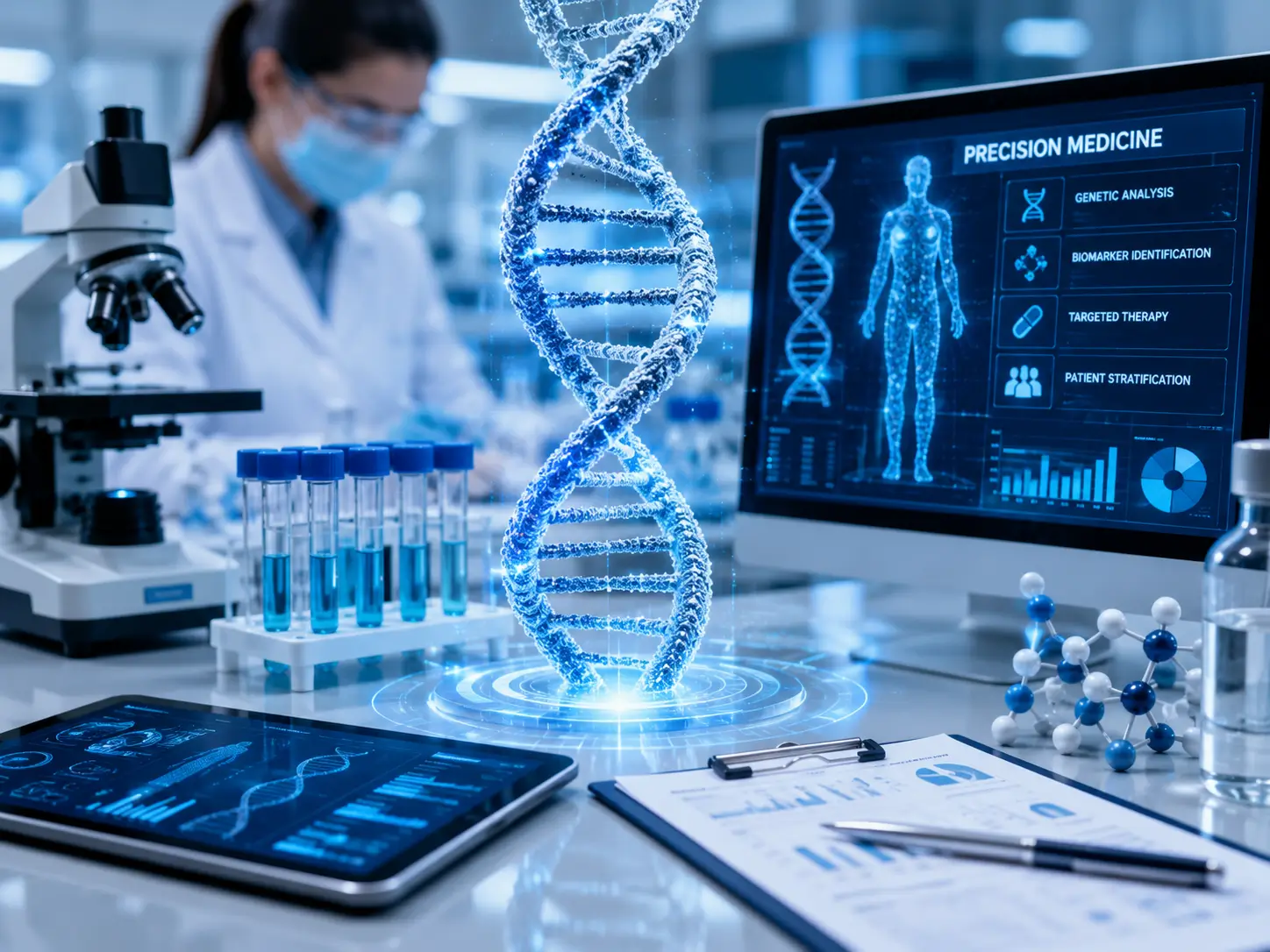
Advancing Personalized Healthcare Through Scientific Innovation
The healthcare industry is entering a new era where treatments are becoming more precise, targeted, and personalized than ever before. Precision medicine, supported by advancements in DNA analysis and genomic research, is transforming the way diseases are diagnosed, treated, and prevented.
Unlike traditional treatment approaches that apply the same therapy to large patient populations, precision medicine focuses on the unique genetic makeup, lifestyle, and environmental factors of each individual. This enables healthcare professionals to make more informed decisions and deliver treatments tailored to a patient’s specific needs.
Understanding Precision Medicine
Precision medicine is an innovative healthcare approach that uses genetic, molecular, and clinical information to develop personalized treatment strategies. By understanding how genes influence disease development and treatment response, healthcare providers can identify therapies that are more likely to be effective for individual patients.
This approach is helping improve outcomes across various therapeutic areas, including:
- Oncology
- Neurology
- Rare Diseases
- Cardiovascular Disorders
- Immunology
- Chronic Disease Management
As research continues to evolve, precision medicine is expected to become an integral part of modern healthcare systems worldwide.
The Role of DNA Analysis
DNA analysis plays a critical role in precision medicine by providing valuable insights into a patient’s genetic profile. Advanced genomic technologies allow researchers and healthcare professionals to identify genetic variations that may influence disease risk, progression, and treatment response.
DNA analysis helps support:
Early Disease Detection
Identifying genetic markers associated with specific health conditions before symptoms appear.
Personalized Treatment Selection
Matching patients with therapies that are more likely to produce positive outcomes.
Improved Drug Safety
Reducing the risk of adverse drug reactions through genetic screening.
Disease Risk Assessment
Understanding inherited predispositions and enabling proactive healthcare planning.
These capabilities contribute to more effective, safer, and patient-centered healthcare solutions.
Precision Medicine in Oncology
One of the most successful applications of precision medicine is in cancer treatment. Advances in genomic profiling allow physicians to identify specific genetic mutations that drive tumor growth and select targeted therapies designed to address those abnormalities.
Benefits include:
- More targeted treatment approaches
- Improved treatment effectiveness
- Reduced impact on healthy cells
- Better patient outcomes
- Enhanced disease monitoring
Precision oncology continues to revolutionize cancer care by enabling highly individualized treatment strategies.
Accelerating Research & Innovation
The integration of genomic data, artificial intelligence, and advanced analytics is accelerating medical research and pharmaceutical innovation. Researchers can now analyze vast amounts of genetic information to better understand disease mechanisms and identify new therapeutic opportunities.
This progress is helping:
- Improve drug discovery processes
- Support biomarker identification
- Enhance clinical trial design
- Advance targeted therapies
- Promote scientific innovation
These developments are creating exciting opportunities for the future of healthcare.
Challenges and Considerations
While precision medicine offers significant promise, successful implementation requires addressing several important considerations:
Data Privacy & Security
Protecting sensitive genetic and healthcare information.
Accessibility
Ensuring advanced healthcare technologies are available to broader patient populations.
Regulatory Compliance
Maintaining adherence to evolving healthcare regulations and standards.
Ethical Responsibility
Promoting transparency and responsible use of genetic information.
Addressing these factors is essential to maximizing the benefits of precision medicine while maintaining public trust.
Looking Ahead
The future of healthcare is increasingly personalized. As DNA sequencing technologies become more accessible and scientific understanding continues to grow, precision medicine is expected to play a central role in improving patient care and healthcare outcomes.
By combining genetic insights, advanced diagnostics, and innovative therapeutic approaches, precision medicine is helping create a future where treatments are more effective, safer, and tailored to the individual needs of every patient.